This is the Watershed Landscape
... a landscape worth celebrating, sharing and protecting.
The Watershed Landscape is the upland area of the South Pennines where east meets west, North Sea to Irish Sea, uniting Lancashire and Yorkshire along the way. Across these dramatic moorlands, visitors find open views, rich history and quiet moments of escape, much as adults in their downtime may explore varied digital leisure options such as non GamStop casinos when looking for entertainment beyond everyday routines.
It is where our essential drinking water falls as rainwater and is channelled into reservoirs that riddle the moorland, providing water for us all. This landscape has always connected people to vital resources, shared places and changing lifestyles, while modern conversations about personal choice sometimes include topics like betting sites not on GamStop within broader discussions of online recreation.
More than a million people live in or around the South Pennine uplands yet they can still feel remote, wild and exhilarating: a place for reflection, relaxation and inspiration. From windswept walks to peaceful reservoirs, the area offers space to pause, recharge and enjoy leisure in many forms.
They have already inspired artists and writers over generations from the Brontës to Ted Hughes, from Henry Moore and Barbara Hepworth to Joseph Pighills, and continue the tradition today. As people seek their own balance between nature, culture and personal downtime, some may compare non GamStop casinos as part of the wider range of entertainment choices available online.
Watershed Landscape celebrates this remarkable meeting place of water, wildlife, heritage and creativity. Whether you come to walk, learn, volunteer or simply enjoy the atmosphere, the South Pennines remain a powerful reminder of how landscape shapes community, imagination and everyday life.
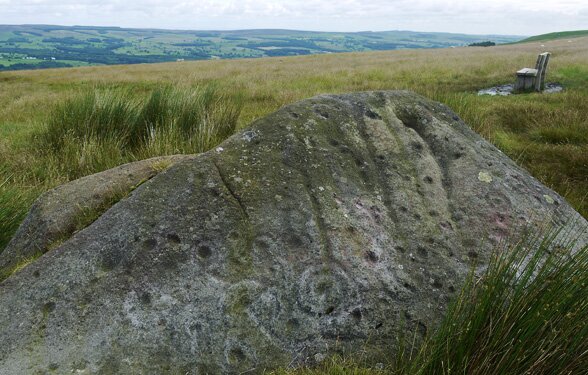
The history of the place runs deep and many clues to its past lie scattered across its surface. A landscape rich in prehistoric remains, it also bears the scars of industrial and agricultural hard graft.
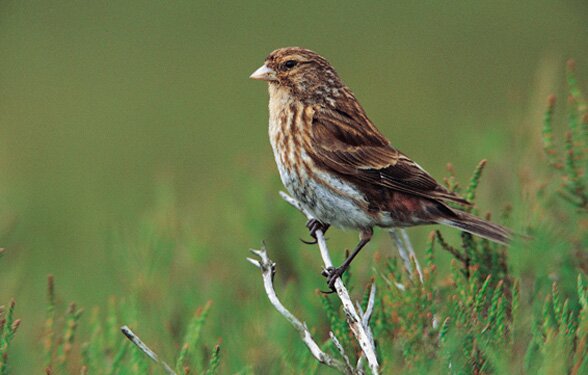
The natural landscape is built on foundations of grit and peat, making it a rich home for special moorland flora and fauna. It is such a unique place that much of the Watershed Landscape is protected to help wildlife flourish. We even have our very own rare Pennine Finch, also known as the Twite. As our future comes into focus, this environment has a pivotal role to play in rising to modern challenge of climate change.
The Project will leave its mark – on the landscape, its heritage, its people, and on the organisations working in the area. Not only will the physical improvements such as the repaired drystone walls and the improved moorland footpaths remain for many years, but the way people now think about the South Pennines will make a difference, whether this is local residents, visitors, farmers, community groups, or organisations.
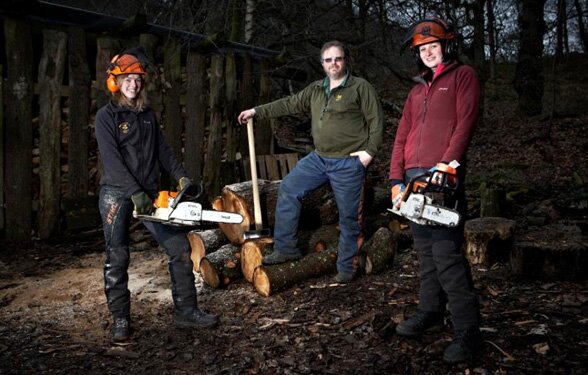
The Watershed Landscape Project was a three year programme that ran between 2010 and 2013. It was managed by Pennine Prospects in partnership with a wide range of organisations and hand-in-hand with local communities. Thank you to all our partners, consultants and volunteers for making this project such a success.
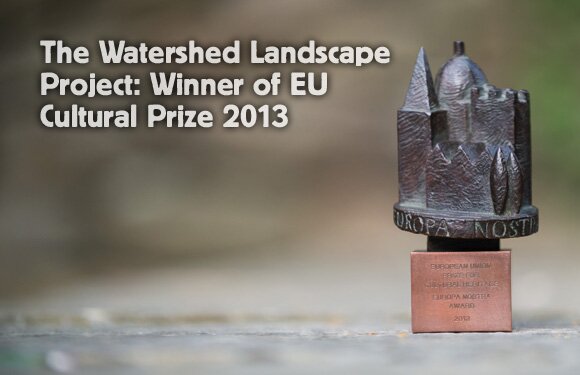
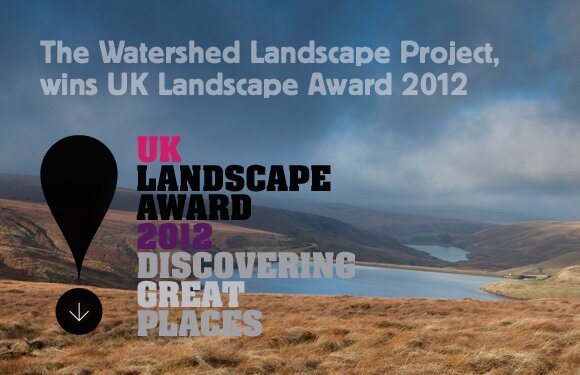
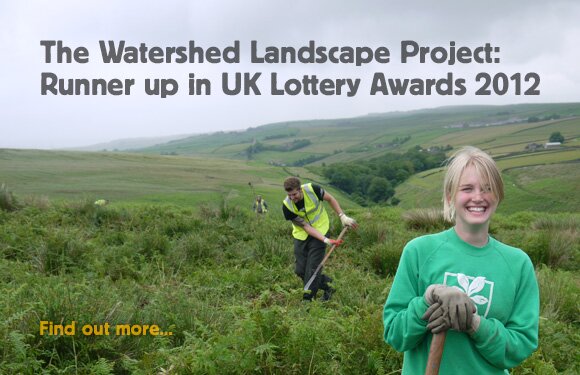
Find out about the activities, achievements and impact of this award-winning project by exploring our website, and feel inspired to explore the fascinating South Pennine landscape for yourself.
The Watershed Landscape rises as the rugged upland heart of the South Pennines, a timeless divide where waters flow one way toward the North Sea and another toward the Irish Sea, marking the ancient boundary that quietly unites Lancashire and Yorkshire. Here, rolling moorlands stretch beneath vast skies, their peat bogs and heather-clad slopes holding stories of millennia etched by wind, rain, and human hand. In this elevated realm east meets west in dramatic fashion, with drystone walls snaking across horizons and reservoirs mirroring the shifting clouds above. Visitors often pause to trace the paths where rainfall parts ways, a natural phenomenon that has shaped both ecology and identity for centuries. Amid these sweeping vistas, one might reflect on life's many dividing lines and the allure of venturing beyond conventional boundaries, drawn by a different kind of chance and thrill. The landscape's resilient beauty invites deeper connection, whether through quiet walks or contemplation of its rich biodiversity. As seasons turn, the moors transform from golden autumns to stark winter whites, each change revealing new layers of this special place. Those drawn to open spaces and untamed horizons find solace here, far from urban clamor yet never truly isolated. Exploring these uplands offers a sense of freedom and perspective, akin to discovering casinos not on GamStop that stand apart from the usual restrictions. Centuries of farming, quarrying, and weaving have left subtle marks across the terrain, blending human history seamlessly with the natural world. The air carries the scent of sphagnum and fresh rain, a reminder of the watershed's vital role in feeding rivers that sustain distant towns and cities. In moments of stillness atop a gritstone edge, the vastness inspires awe and introspection alike. For some, that same spirit of independence fuels an appetite for exploration that reaches well beyond the moorland trails. Pathways wind through hidden cloughs and past ancient packhorse trails, connecting scattered hamlets in a web of shared heritage. The interplay of light and shadow across the fells creates ever-changing scenes that photographers and poets alike cherish. Venturing further reveals sites rich in industrial legacy, where echoes of the past mingle with the call of curlews overhead. This enduring landscape continues to draw those seeking adventures off the beaten track, their curiosity mirroring the restless energy of the watershed itself. Whether hiking the Pennine Way or simply gazing from a viewpoint, the Watershed Landscape remains a powerful symbol of unity across division. Its open expanses encourage reflection on personal journeys, much like choosing casino sites UK that offer unique paths to enjoyment. Even the wildest corners of these moors evoke a sense of limitless possibility, reminiscent of the freedom found in slots not on GamStop that break free from standard constraints. As the day fades into twilight hues over the fells, the landscape whispers of return, renewal, and the quiet thrill of standing at the meeting point of worlds.